Conversation Starters for Kids Who Answer in One Word
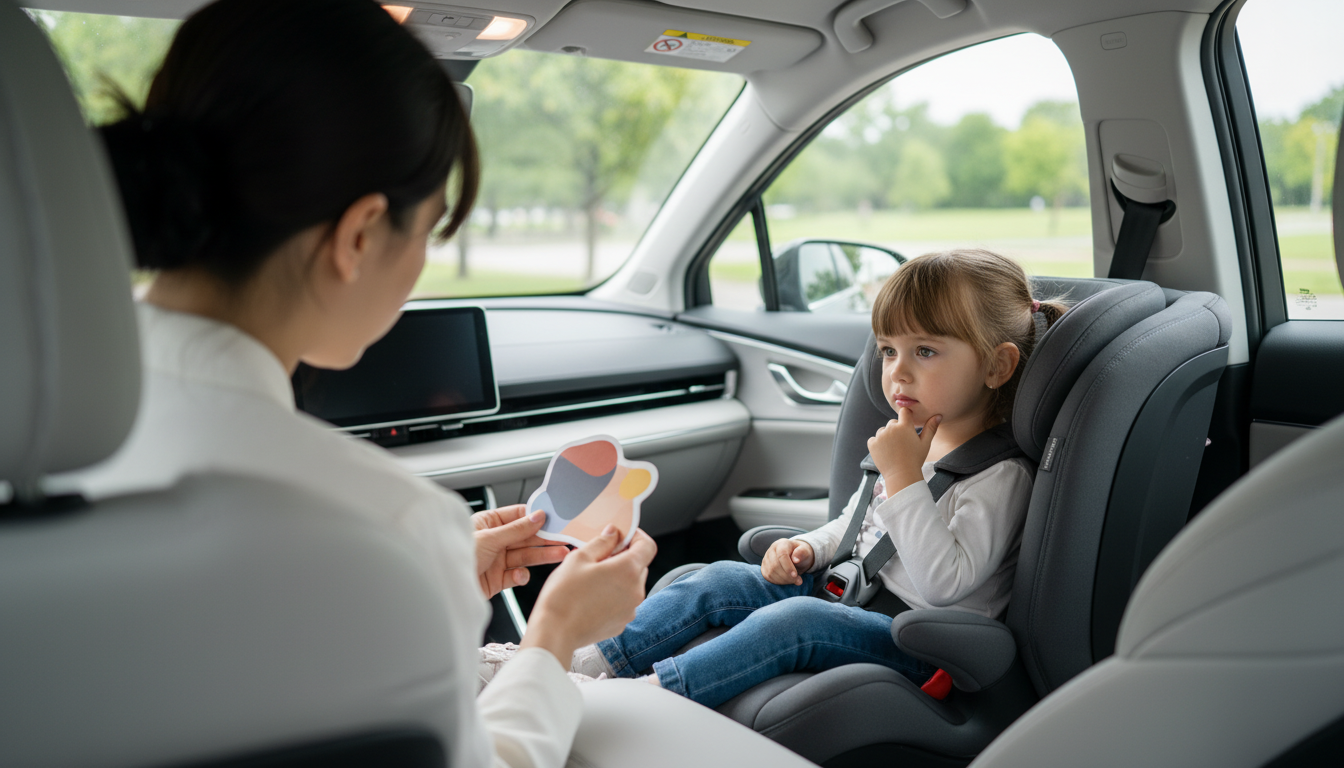
What are good conversation starters to use with kids who give one-word answers?
When kids default to “fine,” “nothing,” or “okay,” the fastest way to get more than one word is to swap yes/no questions for prompts that invite a story, a choice, or a tiny opinion. Keep your tone light, ask one question at a time, and give them a moment to think—silence often helps more than rapid follow-ups. For a deeper list you can pull from anytime, visit the main article.
Use “tell me about…” prompts
These reduce pressure and signal curiosity. Try: “Tell me about the funniest thing you saw today,” “Tell me about the hardest part of your day,” or “Tell me about something you’re proud of.” If you still get a short reply, follow with: “What happened right before that?” or “Who was there?”
Ask for rankings and choices
Choices are easier than open-ended questions and still spark conversation. Examples: “Pick one: recess, lunch, or art—best part of today?” “Would you rather redo today or skip to tomorrow?” “Rate your day from 1 to 10—what would make it one number higher?”
Zoom in on senses and details
Details pull kids out of “summary mode.” Ask: “What was the loudest thing at school?” “What did the classroom smell like after lunch?” “What was on the whiteboard when you walked in?” These often trigger a specific memory and lead to a longer answer.
Try future-focused, low-stakes questions
Future questions can feel safer than revisiting problems. Use: “What are you hoping happens tomorrow?” “If you could change one rule at school for a day, what would it be?” “What do you want to get better at this week?”
Share first, then invite
Model the level of detail you want: “Something that made me laugh today was…” then ask, “What about you?” Keeping it brief prevents it from turning into a lecture, but it shows what a “real answer” sounds like.
FAQ
How can I get my child to talk about their day without pushing?
Ask about specific moments instead of “How was your day?” Try “What was one surprising thing that happened?” and let pauses happen so they can find words. If they shut down, switch to a shared activity (snack, walk, game) and revisit later.












Leave a comment