Red Flag Dog Behaviors: Signs of Stress, Fear, or Pain
What are red flag dog behaviors?
Red flag dog behaviors are actions that suggest a dog may be stressed, fearful, unwell, poorly socialized, or at risk of hurting someone. These behaviors don’t automatically mean a dog is “bad,” but they do mean the situation needs attention—often quickly—to protect the dog and the people around them.
Common red flags to watch for
Sudden aggression or “no warning” snapping
Growling, lunging, snapping, or biting—especially when it seems to come out of nowhere—can point to pain, fear, resource guarding, or a learned pattern that’s escalating.
Extreme fear, shutdown, or panic
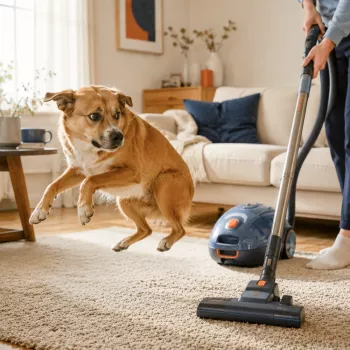
Cowering, trembling, freezing, hiding, or trying to bolt can indicate intense anxiety. A dog that can’t recover after a trigger (noise, strangers, handling) may need professional support.
Resource guarding
Stiffening over food, toys, or resting spots; hovering; whale eye; low growls; and snapping when approached are classic signs. This can worsen if challenged or punished.
Obsessive or repetitive behaviors
Compulsive pacing, spinning, nonstop licking, or fixating on shadows/light can signal chronic stress, insufficient enrichment, or a medical/behavioral condition that deserves evaluation.
Handling sensitivity and pain signals
Yelping, flinching, avoiding touch, or reacting defensively during grooming, collar grabs, or being picked up may be fear-based—or a clue to an injury, arthritis, ear infections, or dental pain.
What to do if you notice red flags
Prioritize safety first: create distance, avoid cornering the dog, and prevent access to children or other pets until you understand the trigger. Schedule a veterinary check to rule out pain or illness, and consider a certified trainer or veterinary behaviorist for a plan that focuses on management and behavior modification. For a deeper breakdown of warning signs and next steps, visit the main guide on red flag dog behaviors.
FAQ
When should I contact a professional about my dog’s behavior?
Reach out promptly if your dog has growled, snapped, or bitten; can’t calm down after being triggered; or shows escalating guarding or panic. Immediate help is especially important if there’s any risk to people, other pets, or the dog’s own safety.









Leave a comment